Sándor Fazakas – bone carver

mobile: 0040756849904

Szentivánlaborfalva 73

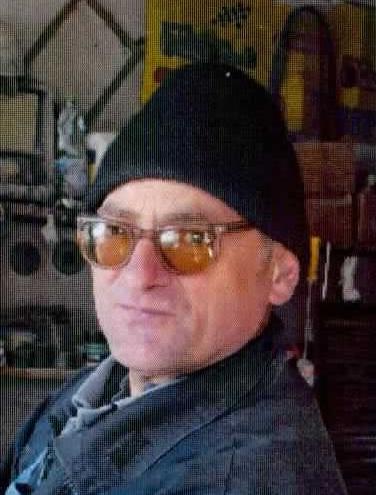
He innovatively crates his household items from bone and horn, always looking for new solutions. He finished his elementary school studies in Szentivanlaborfalva and started working in the cabinet factory in Saint George. He went to apprentice school for three years and also went to private seminars to the school instructor to Kalnok. Since there was a greater demand for bone carving than for wood carving and therefore switched to bone carving. He taught wood carving for seven years in the now known Kos Karoly School. Even though there are some difficulties, he works with a youthful momentum and optimism.


János Pál – amateur painter

It was his childhood dream to become a detective, however when officers at the Romanian army found out in 1989, he was considered enemy to the communist regime and was bullied and treated brutally until he was emotionally destroyed and later retired.

Nowadays he is occupied with small scale farming, and paints during his free time. He also composes music. He plays his drums and electronic organ. He had several exhibitions in Bikfalva and he has regular exhibitions on Bikfalva Village Days.


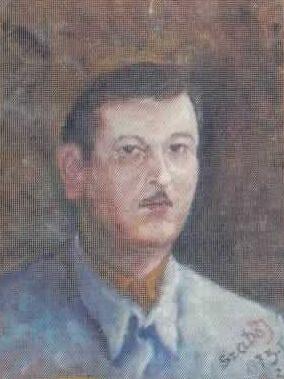
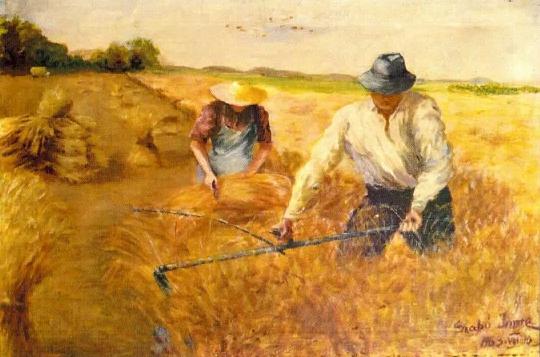
Imre Szabó – amateur painter

By his first profession, he is an Iron worker. He worked in the Distillery of Uzon until retirement. He is also dedicated to his community. He is the head administrator and county judge of the Reformed Congregation in Uzon, besides being a painter as well. He does not consider himself a painter, although, he had several exhibitions in Uzon, and gave some painting as gifts to close friends. He has about 50-60 paintings. He believes that you can only paint when you are rested and the initiation has to come from within.


Alpár Péter – visual artist

www.peteralpar.ro

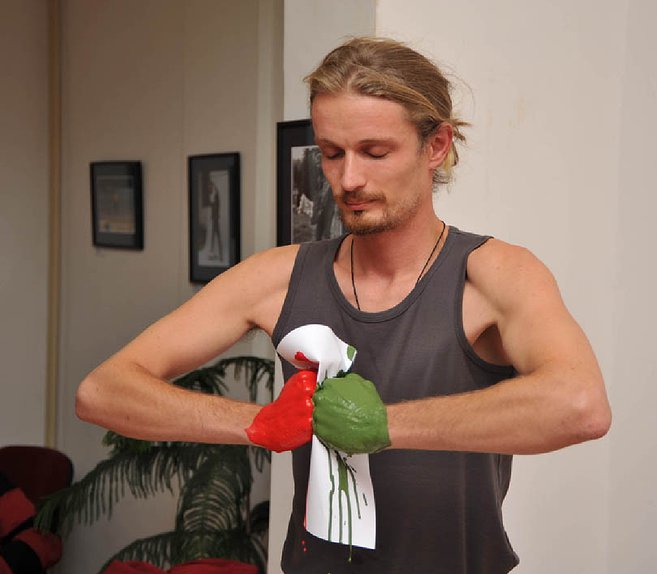
I have been involved with three dimensional space as the scene of visual art. I have been installing enclosed space and have done performance sin them. As this process became a unique spiritual path for me the given space has extended, and finally surpassing the chilled elegance of exhibition rooms I stepped out into nature. The microcosm of the artist meets and expresses itself in the infinity of the macrocosm.

Ferenc Sánta – painter

email: melaszurej@gmail.com

mobil: (004) 0734155470
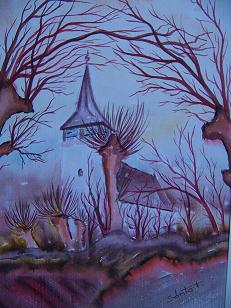
Who is Ferenc Sánta?

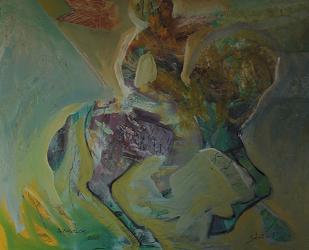
He is a painter. A very good painter, from Saint George. But where did he study. He did not study in college! Is he an amateur? No, he is not. Then how can he paint so well? From inner motivation, noble initiation and an almost surrealistic obsession. Because his belief transfers when he touches paintbrush to canvas. His belief is deep, strong and unmovable just like he handles his brush with momentum and precision. His seasoned color scheme and the deliberate avoidance of detail that captures the essence of his theme. The technique of painting can be and should be learned. But what cannot be learned is what gives warmth to this otherwise cold, empty and meaningless technique, no matter how it is applied. Because, the artistic sensitivity, the attraction to form and color is a gift from birth. Ferenc Santa has received more than usual of this capability, and hence the special and unusual approach to his world view, and the uniqueness of religious paintings.

Julia Németh (art critic)
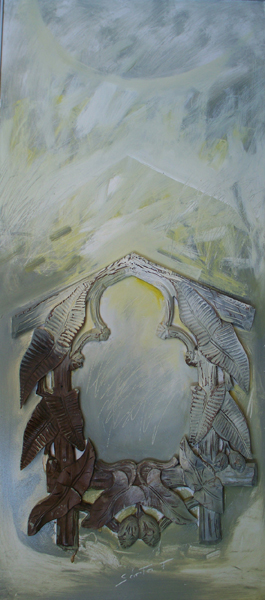


Kiállítások

Csoportos kiállítások:

– Edinburgh (Skócia) – 1991 dec.

– Kovászna – 1992 (Kőrösi Csoma Sándor Emlékmúzeum)

– Sepsiszentgyörgy – 1992. 07.16. – „Tetemrehívás” (Gyárfás Jenő Képtár)

– Ann Art Performance Days3 – 1992. júl.(Szent Anna tó)

– Sepsiszentgyörgy – 1994. júl. – Medium 3

– Budapest – 1994 – „Sepsiszentgyörgyi Műhely” címmel (Vármegye Galéria)

– Kovászna – 1997.04.11. -„A Fa”(megnyitja Starmüller Géza)

– Székesfehérvár – 1998

– Kézdivásárhely – 1998.10.10. (Vigadó Művelődési Ház)

– Kovászna – 2000 – „Az idő arcai, Kövek”

Egyéni kiállítások:

– Sepsiszentgyörgy – 1993.06.01. – Akvarell (S. F. és Czintos László; Sugás áruház Belvedere Galériában, megnyitja Veress Gerzson);

– Sepsiszentgyörgy – 1997.09.18. (Kultúrpalotában); 2001

– Budaörs – 1994, jótékonysági kiállítás (Jókai Mór Művelődési Központ, megnyitja Dr. Surján László és Dr. Losonczi Miklós), (Oktogon Bank Galéria)

– Budapest – 1995 (Virányosi Közösségi Ház – Galéria)

– Baden (Ausztria) – 1995 (családi tárlat)

– Illyefalva– 1996 (Kida Központ)

– Kolozsvár – 1997.09.13 – 1997.09.26. („Kegyelem”– Szent Mihály Római Katolikus Nőszövetség Szentegyház utcai székhelye; megnyitja Murádin Jenő, Starmüller Géza, méltatja Németh Júlia műkritikus)

– Kolozsvár – 1998.09.25. – 1998.10.09. (Akvarell – Szent Mihály Római Katolikus Nőszövetség Szentegyház utcai székhelye)

– Kolozsvár – 1998.09.26. – 1998.10.17. („Isten kezében” – olajfestmények és installációk – a Külső Ref. Egyházmegye Esperesi Hivatalának Gy. Szabó Béla Galériájában)

– Illyefalva – 2001.06.06. – (Rusztika Ház)

– Kovászna – 2001.09.30. – 2001.10. 6. – „Ébresztő” – (Háromszék, Gazda József)

– 105-ös Galéria (Sepsiszentgyörgy) – állandó kiállítás

– Tiszadob – 2002 (Andrássy Kastély)

The Great March of the Szeklers


October 27 is definitely a new milestone in the struggle for the autonomy of Szeklerland. This was evident in Uzon as well, since a large number of Szekler Hungarians gathered for the start of the ecumenical mass at 11 am. Our brothers from Csíkszék arrived in traditional Szekler uniforms, bringing along banners, signs and flags supported by their brass bands. Finally the Szekler Nation has shown its real face. We are strong and stick together.


All generations have represented themselves on this demonstration. The importance of this event was proven by the fact that high ranking politicians also have taken part. Senator Laszlo Klárik and members of parliament László Borbély and Kóródi Attila also demonstrated in Uzon.


At the end of the ecumenical mass, the demonstrators started their march in two directions, toward Sentivánlaborfalva and Kökös villages, lead by the Hussars of Uzon and the Atlantis Brass Band, in order to meet halfway between the villages. The passengers of the cars passing through the village were surprised and most of the television stations were present. According to the organizers as many as 120 thousand people attended the march and formed a live chain on the 50 km distance between Kökös and Bereck.


Sepsimagyarós – building the road


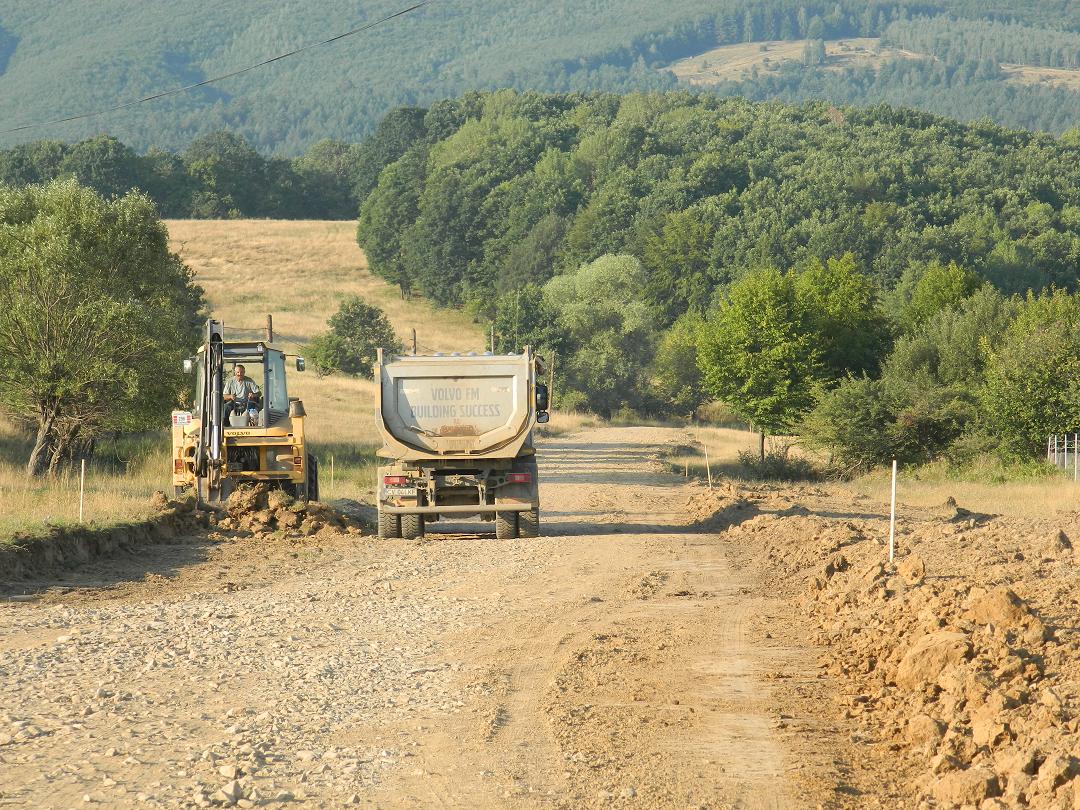
The road passing through Magyaros village is receiving the finishing touches. The work began in the middle of August and has made a spectacular progress since then. After the foundation was made and the bridges changed, the laying of the asphalt is in its final stage.


This is a very positive news for the village that merely counts one hundred people, because its existence depends on good road conditions. Due to the asphalt road, the village will be part of the county’s circulation, and more people will seek the village as a weekend or as a permanent residence. The project, won by the Mayor’s Office of Uzon will also include an asphalted road between the villages of Lisznyo and Bikfalva.


6th Uzon Harvest Days – 2013

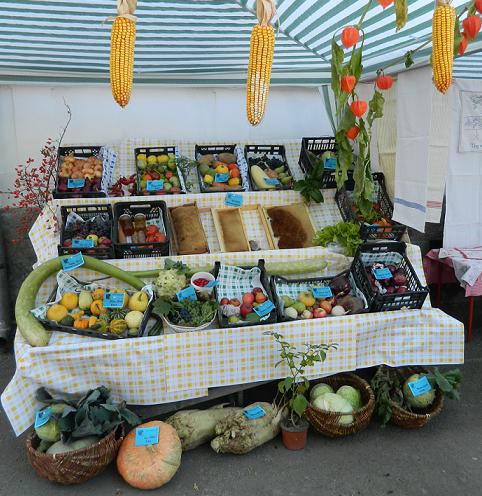
The Harvest Days, organized for the sixth time on 5-6th October, was a success. Thanks to the fairly rainy weather in the summer, the farmers had almost record size produce to display. Beside the vegetables, fruits and other finished products there were also local and invited handcrafters.


The opening ceremony was at 11 am on Saturday, where dr. István Ráduly and dr. Zoltán Sümegi of Tolna, Hungary both addressed the celebrating crowd. They spoke of the well deserved celebration after a year’s hard work, and the success of maintaining local tradition that stem from agriculture.


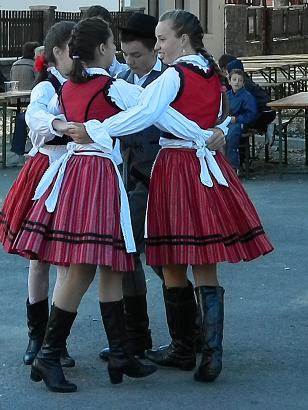
After the opening of the event, the succeeding cultural programs were opened by the children’s Brass Band of the Atlantis Cultural Association. There was handcrafting for children, table tennis competition and the Csere folkdance group also performed. For the farmers there was a display of seeds and pesticides that can be used for treating their produce.


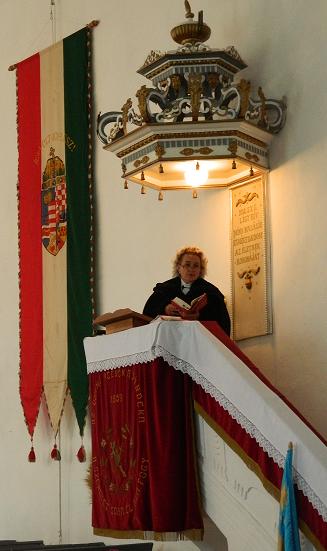
On Sunday the program started with a sermon in the Reformed Church in Uzon. Following there was a wreathing for the commemoration of the 1848-49 revolution, where mayor dr. István Ráduly spoke of the importance of preserving our symbols and values, but moreover he spoke of using them freely and bravely. He reminded us that the suppression by the power of the state still exist, and therefore we must act in unison, because we are much stronger as a group in order to oppose retaliation of the state.


Following, the postponed inauguration of dr. Sümegi Zoltán as honorary citizen, took place in the local council’s hall. The mayor of Tolna, Hungary was touched by his inauguration, in the presence of the local councilors, expressing his deep commitment for the residence of the village and promised to help their life in any manner he can, and he always considered Szeklerland as part of Greater Hungary (as before 1920). The brass band of the Atlantis association entertained the locals in the evening and the Székely István male choir from Szentivánlaborfalva performed folksongs to the celebrating crowd.